
Travel & Stay
All of our celebrations will take place in and around Tunis, the capital of Tunisia. Below you’ll find guidance on getting here, where to stay, and a few ideas to make the most of your trip.
Getting to Tunisia
Airport: Tunis–Carthage International Airport (TUN)
Connections: Direct flights are available from London, Paris, Rome, Frankfurt, Montreal, and other major cities.
Hotel Recommendations
To experience the best of Tunis, we suggest spending the beginning of your trip by the sea — in Sidi Bou Said, La Marsa, Carthage, or Gammarth — and the wedding night in the Medina.
Our wedding will take place in the Medina at Dar El Jeld, which we’ve reserved entirely for the night of the celebration. If you would like to stay here, please contact Mouna at +1 310-880-9469.
Below are a few of our favorite places to stay:
LA VILLA BLEUE
Boutique hotel in Sidi Bou Said
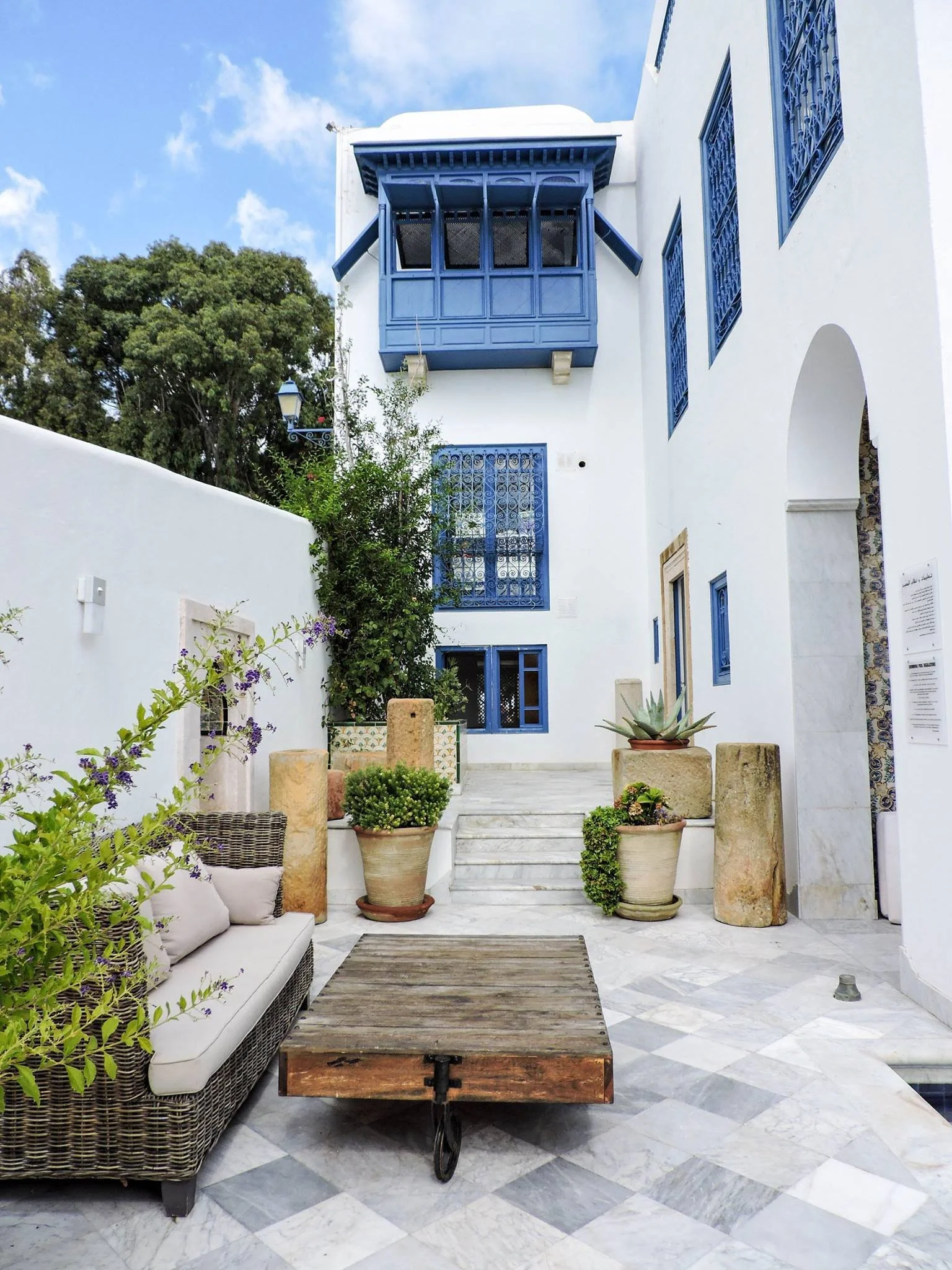
DAR SAID
Boutique hotel in Sidi Bou Said
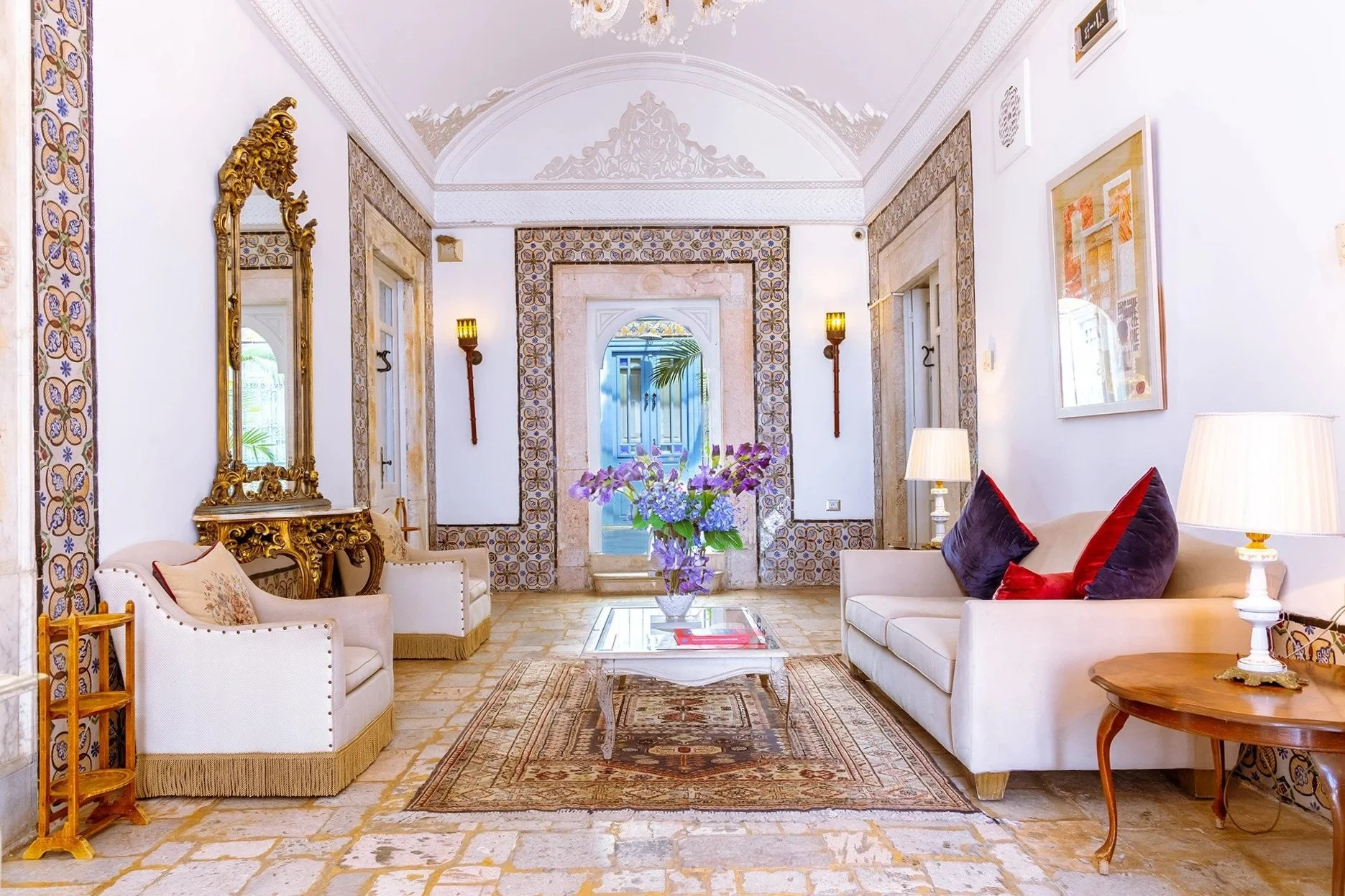
THE FOUR SEASONS
Resort hotel in Gammarth
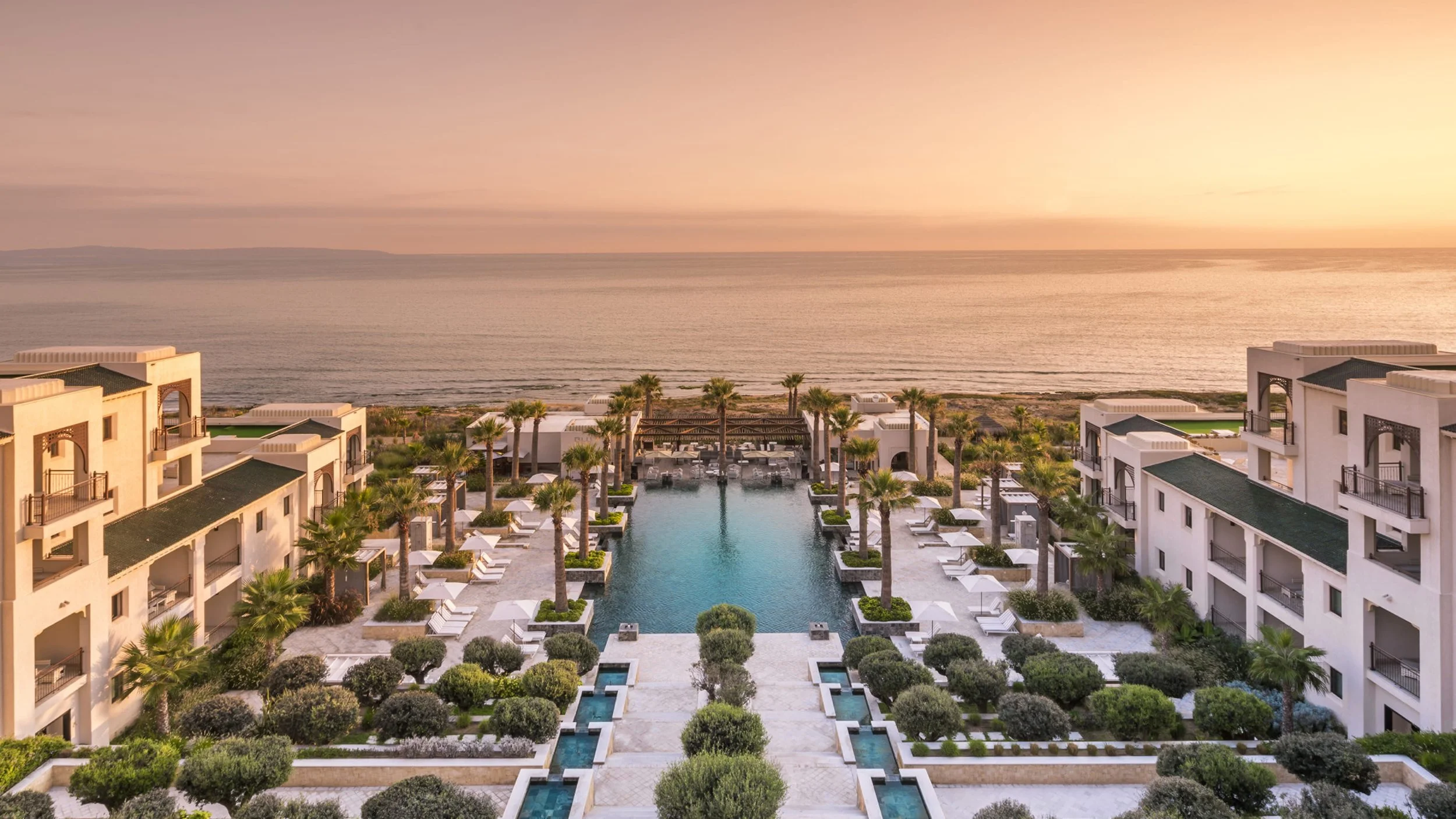
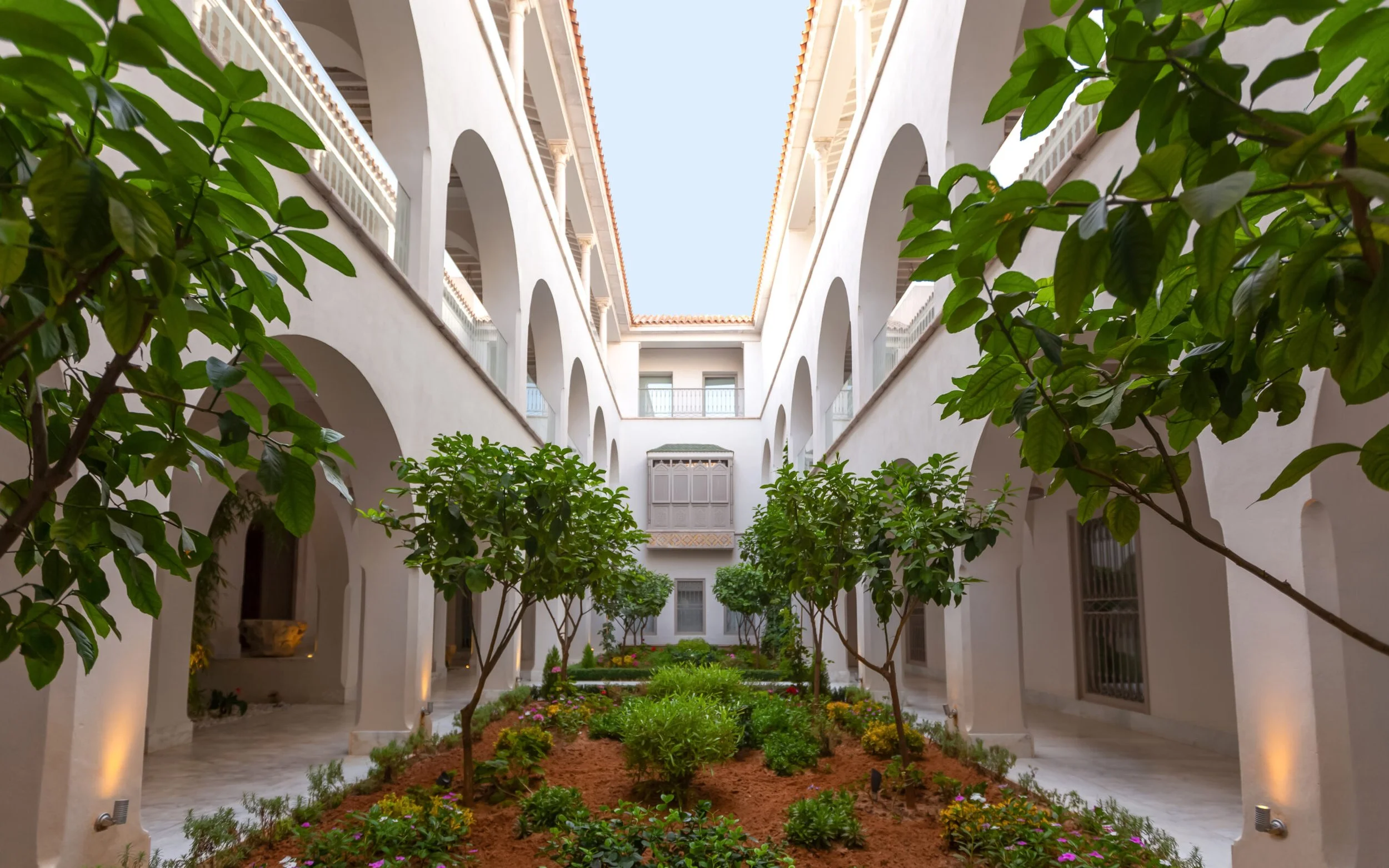
DAR EL JELD
Boutique hotel in the Medina and where our wedding will be held
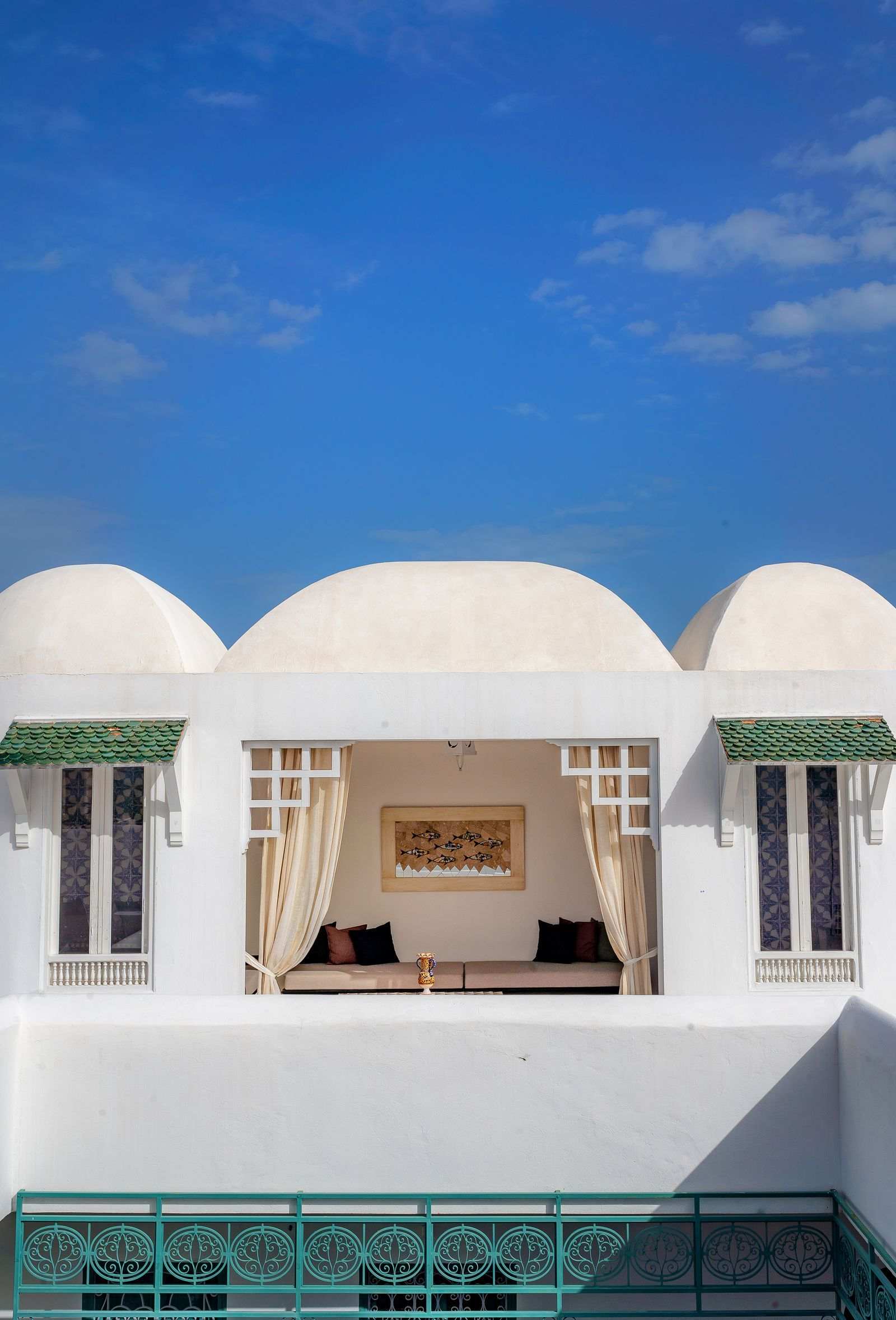
DAR BEN GACEM
Boutique hotel in the Medina
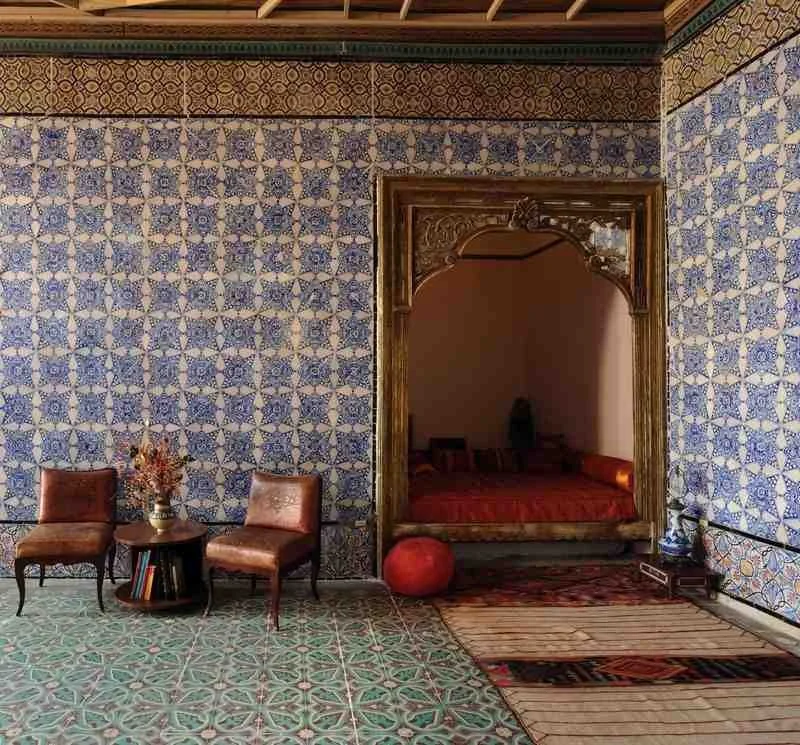
LE CHAMBRE BLEUE
B&B in the Medina
Some more hotels:
Maison Dedine - Sidi Bou Said
Dar Kbira - Sidi Bou Said
Villa Didon - Carthage
Airbnb homes by Isabelle and Selim - The Medina
El Patio Courtyard House - Medina
Riad l’Oranger - The Medina
-
Do I need a visa for Tunisia?
Most guests (including from the USA, Canada, EU, and GCC) do not need a visa for stays up to 90 days. Lebanese citizens do require a visa. Don’t forget to make sure your passports are up to date and valid beyond 6 months of your scheduled departure date.
How far is the airport from the main areas?
Tunis–Carthage International Airport is very central — about 20 minutes by car to Sidi Bou Said, La Marsa, or Carthage, and about 15 minutes to the Medina.
How do I get around Tunis?
From the airport, you can take a local cab or use one of the rideshare apps we have in Tunisia.
Bolt (iOS + Android) and inDrive (iOS + Android) are two rideshare apps we recommend for airport transfers and general transportation around Tunis - no Tunisian cell number needed or cash needed.
-
Which languages are spoken in Tunisia?
The main language is Tunisian Arabic, a dialect of Arabic. French is widely spoken, and many young people increasingly speak English as well, especially in hotels, restaurants, and tourist areas.
Is Wi-Fi available?
Most hotels, cafés, and tourist areas offer free Wi-Fi. We typically find it easier to just purchase an international day pass with our cell phone provider. You can also buy a local SIM card easily if you plan on staying longer in Tunisia.
-
What currency is used?
The local currency is the Tunisian Dinar (TND). Cash is preferred in smaller shops and markets, but cards are accepted in hotels and many restaurants. (Heads up: You can’t exchange Tunisian Dinars outside Tunisia, so we recommend withdrawing cash at an ATM after arrival at the airport or inside banks or hotels.)
What souvenirs are great to bring back home?
Some favorites include:
Handmade ceramics (especially blue and white pottery)
Olive wood kitchenware
Traditional perfumes like jasmine oil
Colorful carpets and woven goods
Spices (especially harissa!)
Local dates and sweets
Feel free to reach out if you want recommendations on specific spots to go shopping.
-
What is the weather like?
Tunisia has a Mediterranean climate. You can expect hot, sunny, and dry weather on June 6. Daytime highs are usually around 87°F (30°C), evenings cool down to about 65°F (18°C), and there’s often a nice sea breeze along the coast.
Any packing tips?
Outlet converters (Tunisia uses European Type C and Type E plugs — 230V)
Lightweight, breathable clothing (cotton, linen)
Comfortable shoes (cobblestone streets!)
Sun hat, sunglasses, and sunscreen
A light jacket for cooler evenings
A scarf for covering shoulders when visiting religious sites
Swimsuit and sandals for beach days
-
Is there anything special I should know about local customs?
Tunisians are very welcoming and warm! It’s polite to greet people with "Aslema" (hi!) or "Bonjour." When visiting mosques or traditional neighborhoods, modest dress (covering shoulders and knees) is respectful and appreciated.
Is Tunisia safe to visit?
Yes! Tourist areas like Sidi Bou Said, Tunis, and the coasts are very safe.
As in any destination, stay mindful of your belongings, especially in crowded places. -
What kind of food should I try?
Tunisian cuisine is vibrant, seasonal, and deeply rooted in tradition. A few favorites to try during your stay:Couscous (the national dish)
Brik (crispy pastry filled with runny egg and tuna or ground beef)
Fresh seafood
Ojja (spicy tomato and egg stew)
Pastries like bambalouni (Tunisian airy fried donuts!) and kaak
-
Do I need any vaccines or special health precautions?
No special vaccines are required for Tunisia beyond your routine vaccinations.
We suggest packing a small travel pharmacy with basics like pain relievers, motion sickness tablets, and anything else you might need just in case.
Is the tap water safe to drink?Locals often drink tap water, but for visitors, bottled water is recommended. It's inexpensive and widely available.
Do I need travel insurance?
It isn’t required, but we recommend it for peace of mind when booking international travel. A basic policy can help with things like flight delays or unexpected medical needs.
Tunisia FAQs
Please reach out to Mouna at +1 310-880-9469 if you have any other questions!